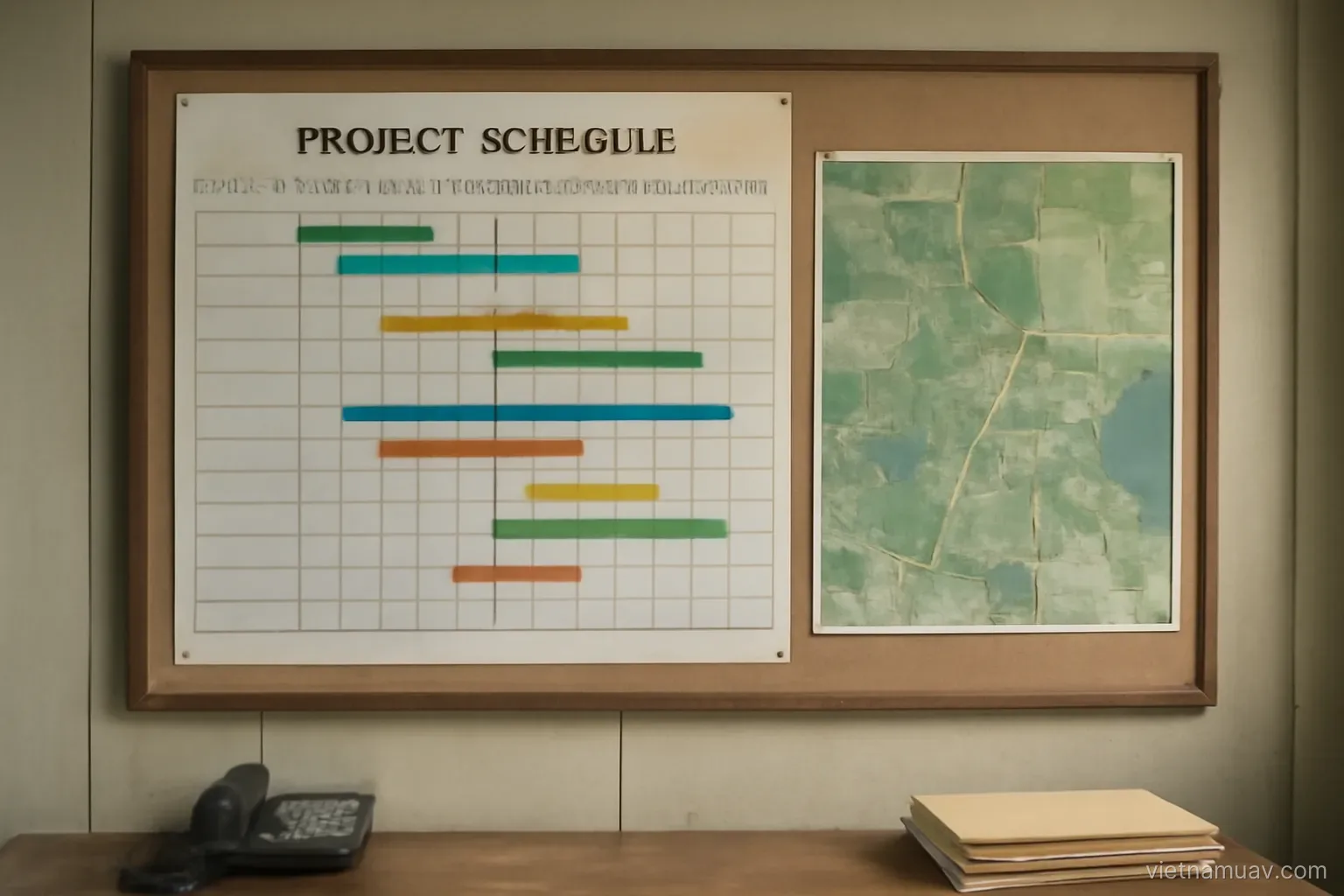
A single morning's flying can be planned in your head. A survey covering several hundred hectares across a week in a remote district cannot, and the absence of a plan is where budgets are lost.
Reconnaissance
Visit beforehand if possible. Terrain, obstacles, access roads, accommodation, power.
If not. Study satellite imagery thoroughly and speak to people who know the area.
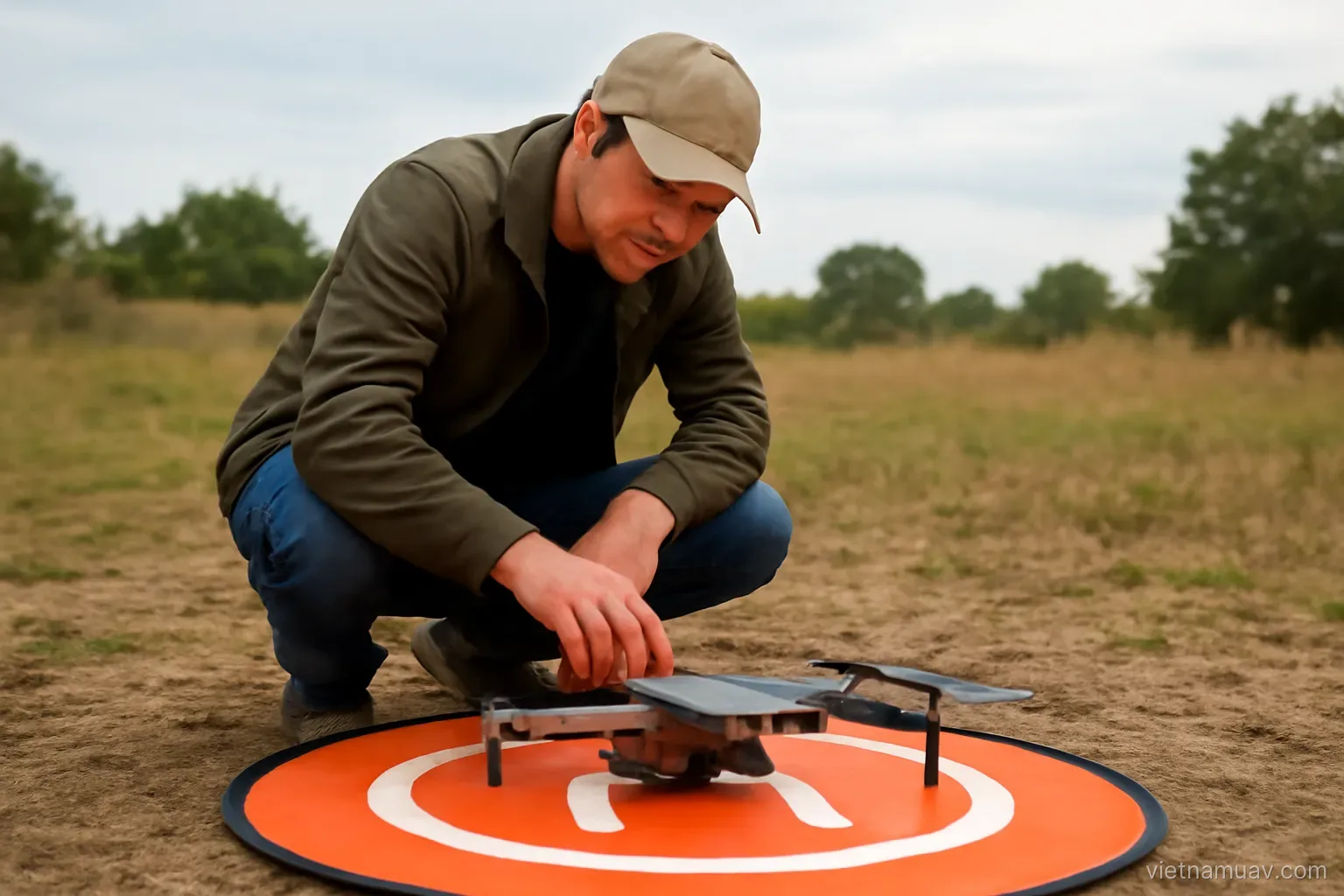
Launch points. For each section, with access confirmed.
Infrastructure. Power for charging, mobile coverage, food and accommodation.
Local contact. Authorities and landowners. Permission and notification.
A local guide. Someone who knows the tracks and the boundaries. Saves an enormous amount of time.
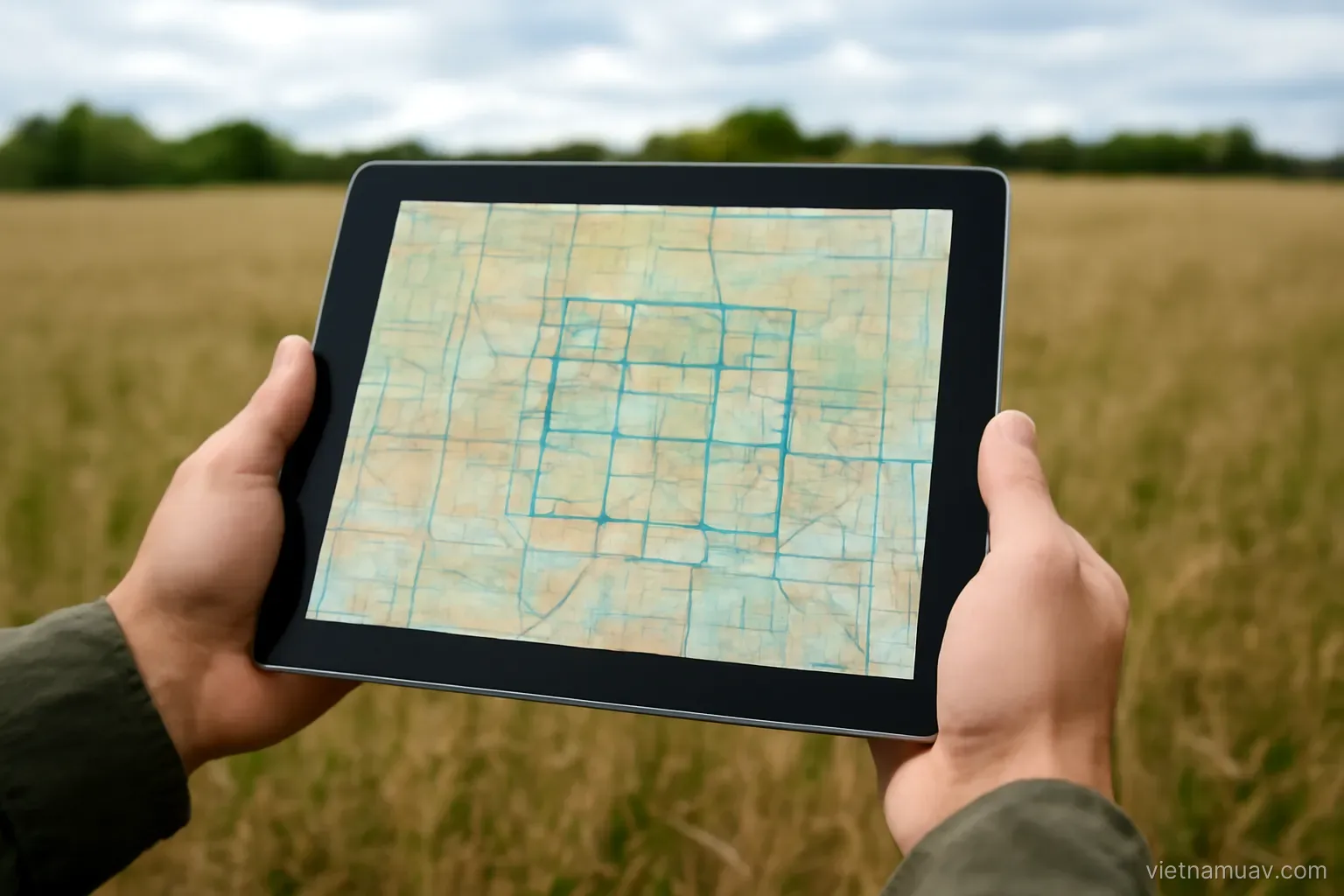
Airspace and permissions. Start early because processing takes time.
Risk assessment. Terrain hazards, weather, security.
Check the road conditions specifically. Access that looks fine on a map may be impassable after rain, and that alone can cost days.
Crew and equipment
Crew size. Two at minimum. For longer projects, enough to rotate and to process data in parallel.
Clear roles. Pilot, observer, ground control surveyor, data handler, logistics.
Spare aircraft. A single failure in a remote location otherwise stops the project.
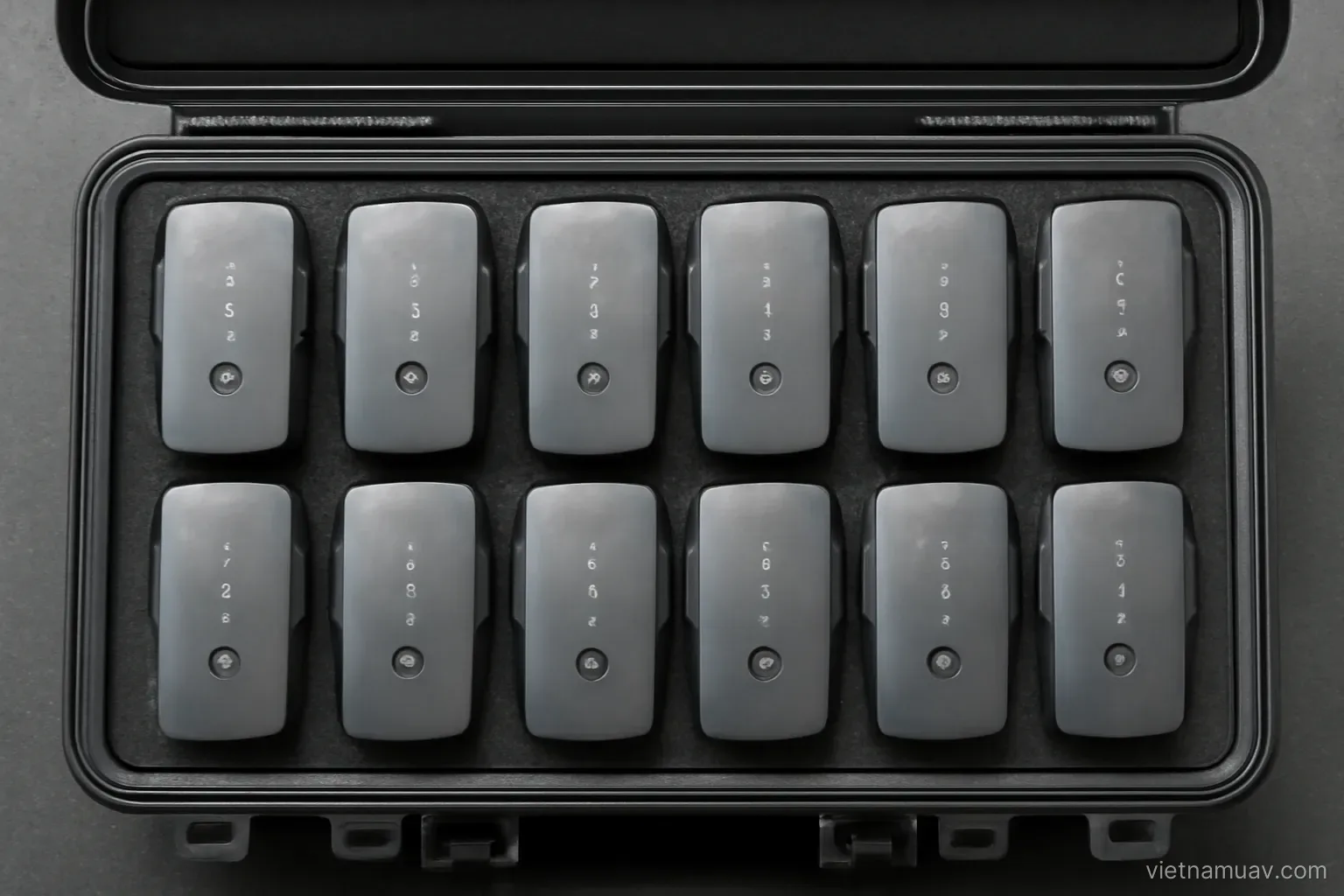
Batteries. More than calculated, plus a spare charger.
Power supply. Generator or vehicle inverter where mains is unavailable.
Storage. Enough cards and drives for the whole project, plus backup copies.
Processing computer. If working on site. Processing in parallel with flying catches problems early.
Vehicle. Suitable for the terrain. Poor access is a leading cause of schedule slip.
Communication. Where mobile coverage is poor, radios between crew members. Shouting across a field does not work and separating without contact is unsafe.
Basic spares and tools. Propellers, fasteners, cable ties, tape. Small failures a long way from a shop are otherwise disproportionately expensive.
Scheduling and contingency
Pure flight time. From area and productivity.
Apply a multiplier. Actual elapsed time is usually two to three times flight time once travel, setup, battery changes and weather delays are counted.
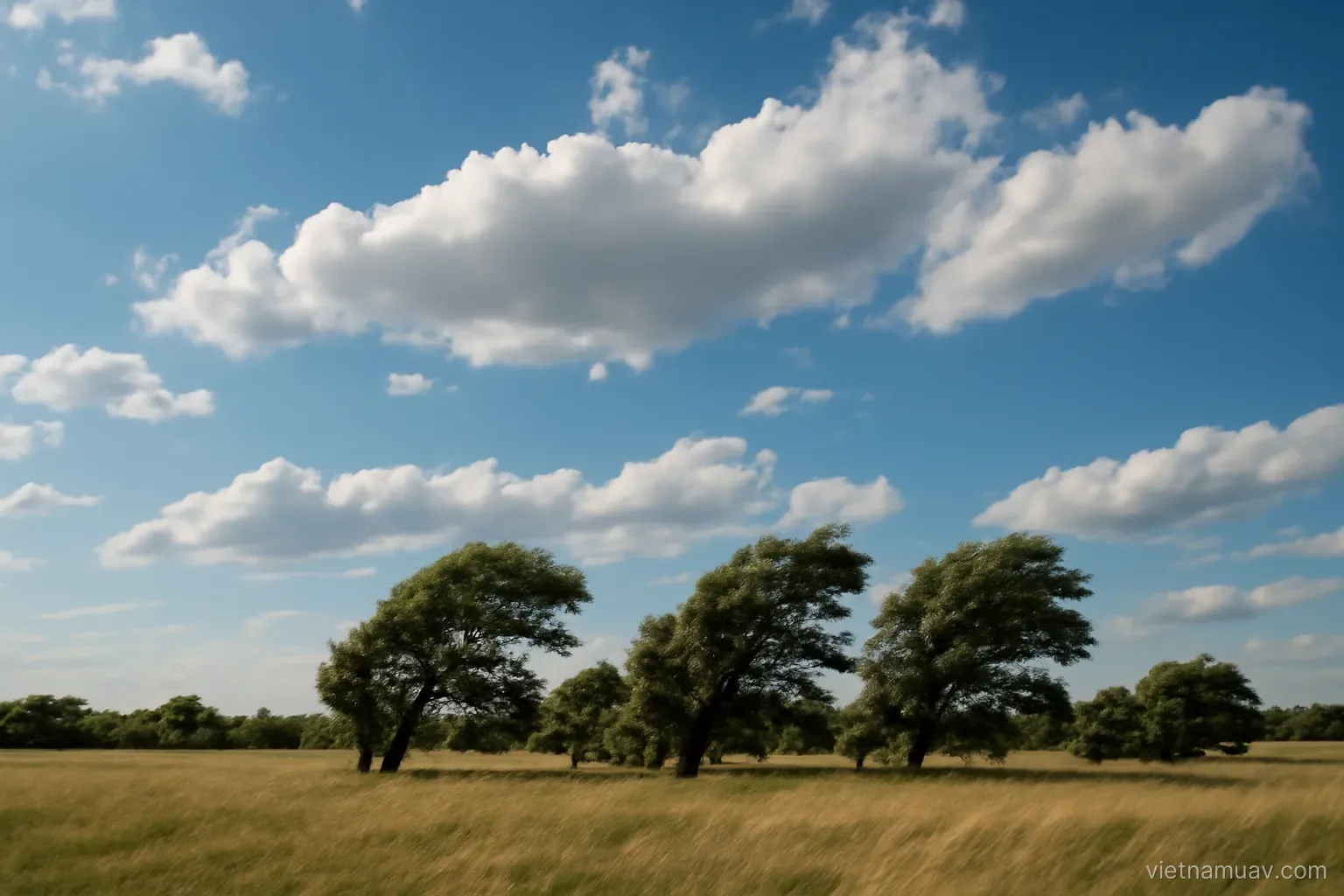
Weather contingency days. At least a third of the total during the wet season. This is the item most often cut and most often needed.
Prioritise areas. Fly the most important sections first, so an early finish still delivers the core product.
Work in blocks. Complete one area before moving. Easier to manage and easier to know what remains.
Check data daily. Not at the end of the project.
Processing time. After flying finishes there is still processing and quality control. Build it into the delivery date.
Communicate with the client. About weather risk before it happens. Explained in advance it is understood; explained afterwards it is a failure.
Keep a running record of progress. Which blocks are complete and verified, so that a change of crew or a break in the work does not lose track.
Data management on a long project
Naming convention. Date, area, sortie number. Agreed before starting.
Daily backup. Two copies on separate devices. Losing three days of flying is a serious event.
Verify immediately. Count, quality and coverage, before leaving each area.
Preliminary processing on site. Where a capable machine is available. It reveals reconstruction failures in time to refly.
Daily notes. Which area, what conditions, what problems. Needed during processing and reporting.
Storage capacity. Estimated in advance. Running out mid-project is avoidable and disruptive.
Do not delete source data. Until the deliverable is accepted.
Physical protection. Drives in a shock-resistant case, away from heat and moisture.
Keep one backup separate from the vehicle. If everything travels together, a single loss takes all copies.
Costing and contract
Direct costs. Crew days, travel, accommodation, fuel.
Equipment. Depreciation on aircraft and batteries by flight hour.
Processing. Machine time and human time.
Permissions. Applications, fees, administration.
Ground control. Survey equipment and time.
Contingency. For lost days, equipment failure and reflights.
Weather clause. Who bears the cost of days when flying is impossible. Without it the operator carries all weather risk.
Scope change clause. Clients extend scope mid-project routinely. A mechanism for handling that avoids an awkward conversation later.
Define acceptance clearly. What the client will check and against what criteria. Vague acceptance turns delivery into an open-ended negotiation.
Do not price too tightly. Outdoor projects carry genuine uncertainty, and a price with no margin leads to cutting corners on safety or quality, both of which are worse outcomes than losing the job.
Frequently asked questions
How does actual elapsed time compare with flight time?
Usually two to three times, once travel, setup, battery changes, ground control and weather delays are counted.
How much weather contingency should be allowed?
At least a third of total days during the wet season. It is the item most often cut when pricing and most often needed in practice.
Why fly the most important area first?
So that if weather cuts the project short you still have the core deliverable. Flying scattered sections leaves nothing complete.
Which contract clause protects the operator most?
A weather clause defining who bears the cost of unflyable days. Without it the operator carries the entire weather risk on an outdoor project.
More in Survey and mapping and Agricultural UAV.