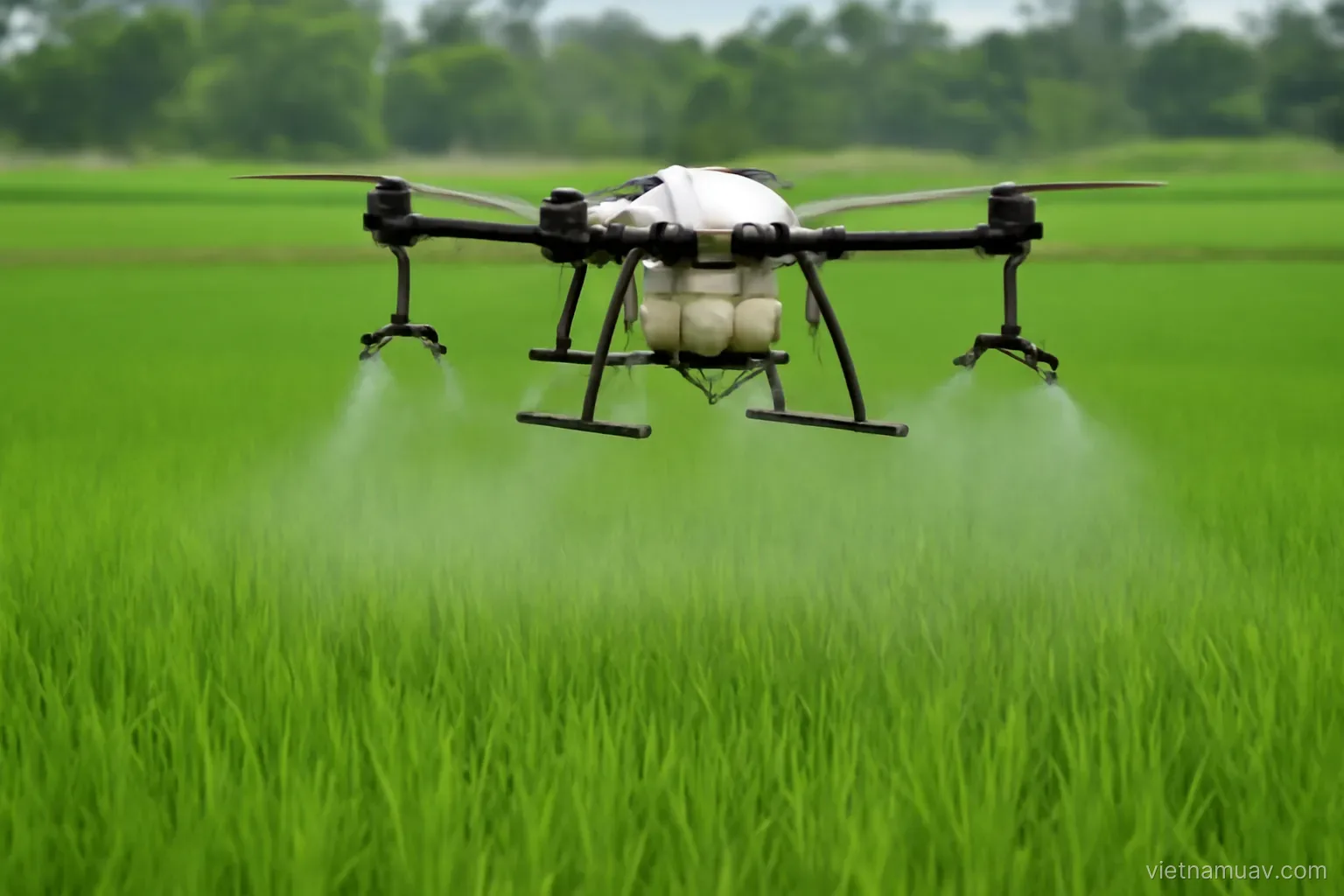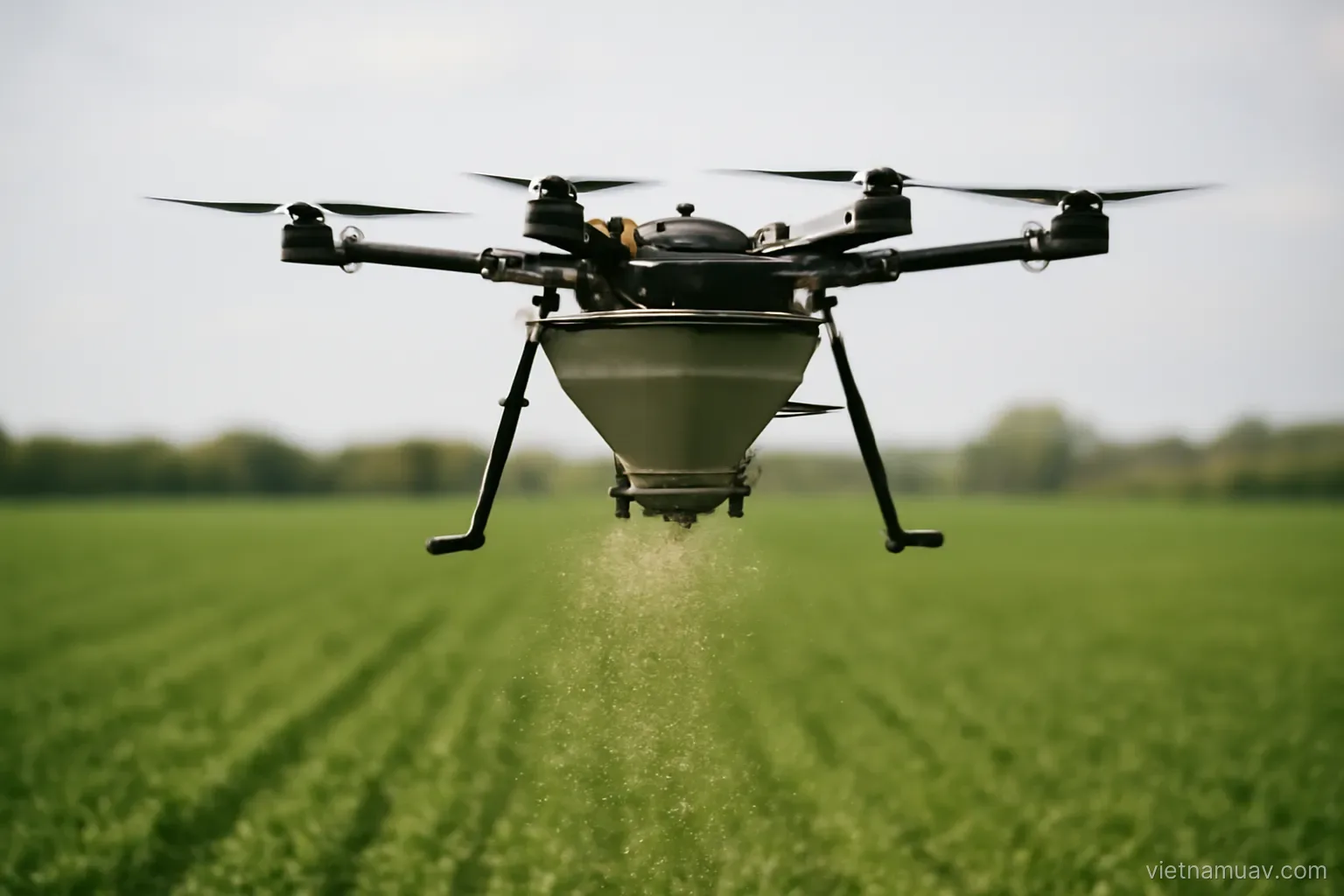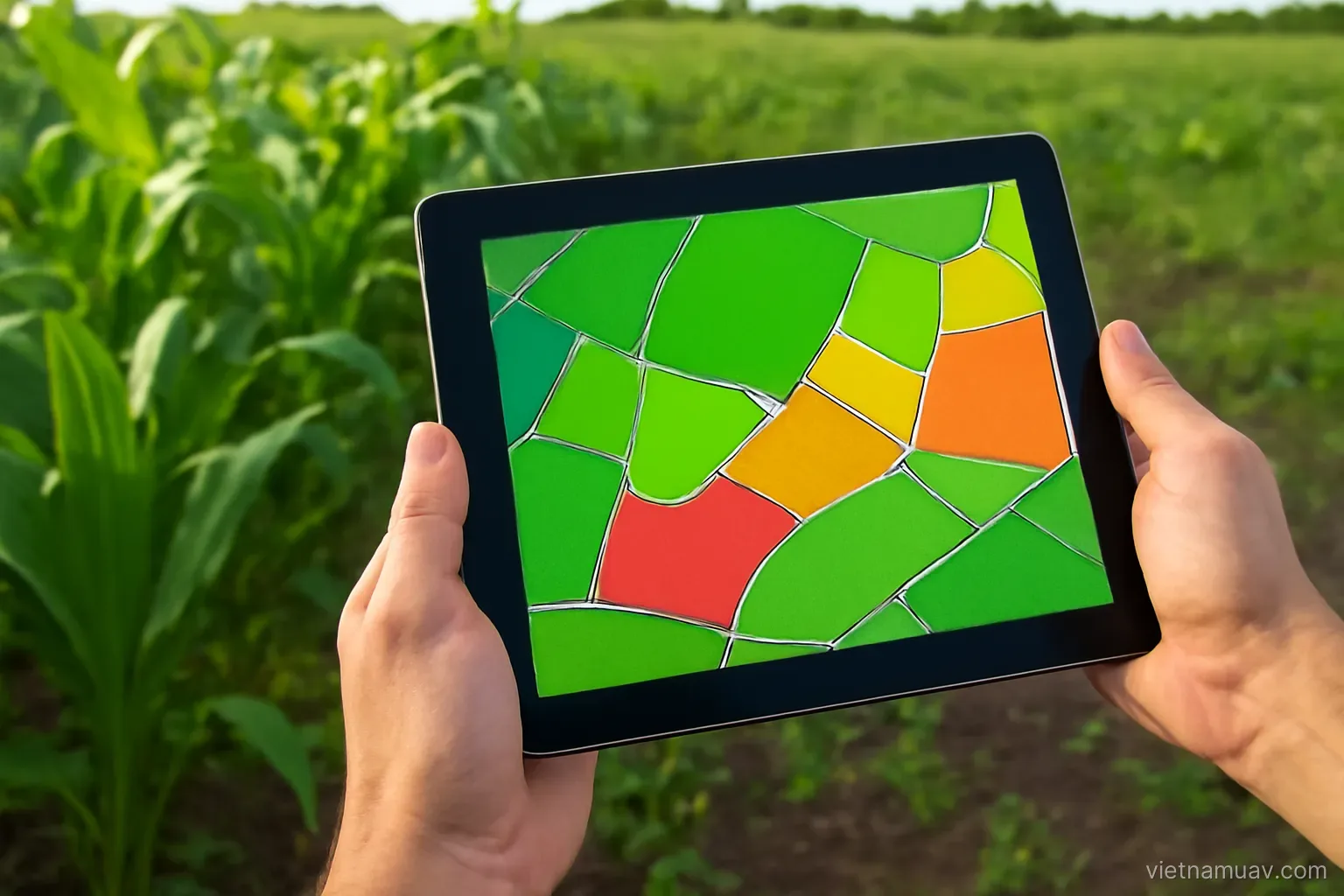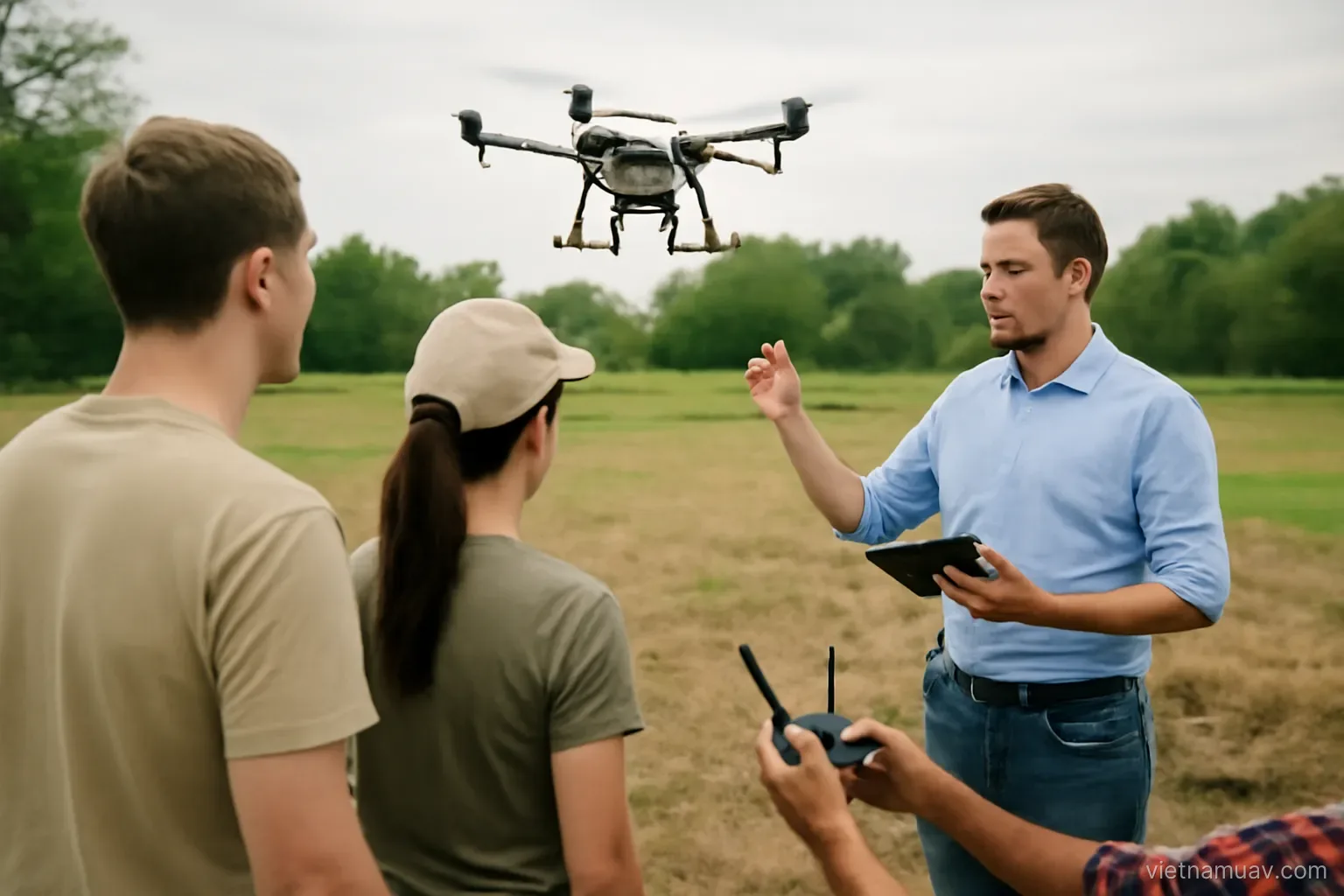
Two operators with the same aircraft produce very different outcomes in application quality, equipment life, and number of incidents. The difference is training.
Flying competence
Manual flight before automation. Counterintuitive but correct. When the automated system fails, the operator has to bring the aircraft home by hand.
Orientation. When the aircraft faces the operator, control inputs reverse. This is where new pilots panic.
Precise landing. At a designated point, in wind.
Link loss handling. Know what the aircraft will do and be prepared for it.
Low flight near obstacles. Necessary for fields with trees and poles.
Practise unloaded first. No product, open area. Mistakes at this stage are cheap.
Simulator practice. For emergency scenarios that cannot safely be rehearsed for real.
Flying with a full tank. A loaded aircraft handles differently — slower to accelerate, slower to stop, and more affected by wind. Operators who only practise empty are surprised by this on their first working flight.
Working near the field edge. Turning at the boundary without drifting over the neighbouring plot is a specific skill worth rehearsing deliberately.
Minimum hours. Before working commercially. No universal figure exists, but several dozen hours is a reasonable benchmark.
Product and crop knowledge
Why the pilot needs it. Because the pilot sets height, speed and flow rate, and those directly determine whether the product works.
Reading labels. Recommended rate, pre-harvest interval, safety warnings, incompatibilities.
Calculating drone rates. Active ingredient per hectare rather than tank concentration. A mandatory skill.
Product type and coverage requirement. Contact products need thorough coverage; systemic products are more forgiving.
Growth stage. Applying at the wrong stage wastes product and can cause damage.
Pre-harvest intervals. Violating them has serious food safety consequences.
Weather interactions. Rain after application washes product off; intense heat accelerates breakdown.
Knowing when to decline. Refusing to spray in unsuitable conditions even when the client is impatient. This marks a serious professional.
Personal safety
Chemical exposure. Whoever mixes handles concentrate. This is the greatest health risk in the whole operation and the most underestimated.
Mandatory protection. Chemical-resistant gloves, appropriate respirator, eye protection, long clothing, boots.
No eating, drinking or smoking while working. And wash thoroughly before eating.
Shower and change after the shift. Do not wear contaminated clothing home.
Wash work clothing separately. Never with household laundry.
Exposure response. Wash immediately with plenty of water. Know the signs of poisoning and where to seek treatment.
Propeller safety. Rotating propellers cause serious injury. Never approach with motors running.
Bystanders. Farm workers and curious children. A spotter is needed where people are present.
Do not fly fatigued. Errors from fatigue are a leading cause of incidents during peak season.
Emergency handling
Loss of control link. Know the aircraft's automatic behaviour and ensure the return altitude is set safely.
Unexpected low battery. Land at the nearest safe point rather than attempting to return.
Motor failure in flight. Multirotors may remain controllable briefly but not for long. Land immediately.
Contact with power lines. Do not attempt recovery. Contact the utility. This is a fatal hazard.
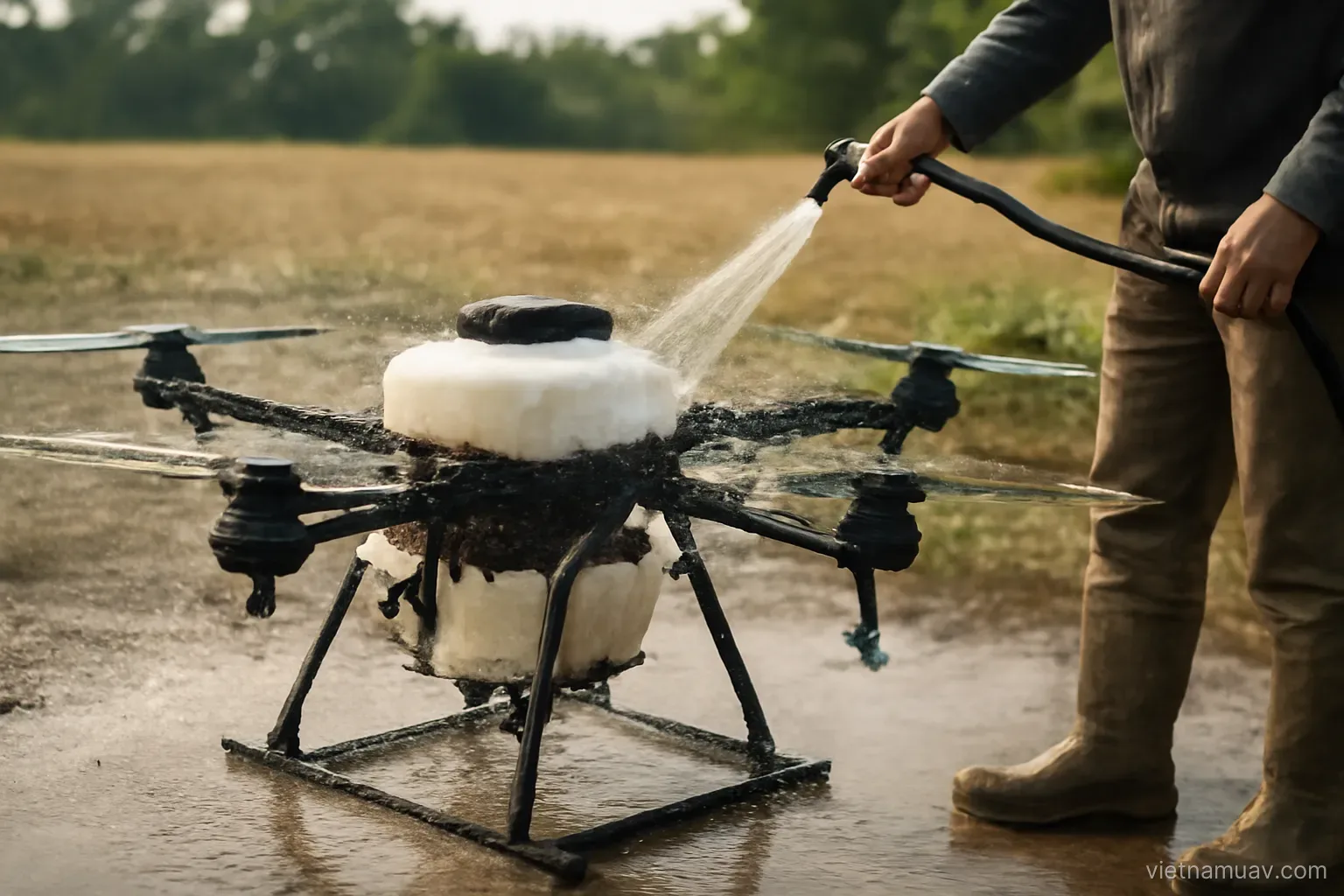
Water landing. Disconnect the battery on retrieval and do not power up. Rinse with fresh water if it was salt water.
Product spill. Prevent it reaching watercourses, absorb it, dispose of it properly.
Person exposed to chemical. Wash immediately, move them clear, monitor and seek medical attention.
Rehearse verbally. Talk through scenarios before going to the field. Correct reactions under stress only come from having thought them through first.
Building an operating team
Do not work alone. At least two people — one flying, one observing and supporting.
The observer's role. Watching the aircraft while the pilot watches the screen, warning about obstacles and people, handling batteries and mixing.
Clear responsibilities. Especially who decides to stop.
Written standard procedure. From pre-flight checks through to end-of-day cleaning.
Printed checklists. Memory fails when tired and when rushed.
Flight log. Date, field, area, product, rate, conditions, any incident. Protects the operator and supports improvement.
Ongoing training. Not a one-off. Review experience after each season.
Learn from others' incidents. The operator community shares readily. Reading about a failure costs far less than experiencing one.
Frequently asked questions
Why learn manual flight before relying on automation?
Because when the automated system fails the operator must bring the aircraft home by hand — and orientation reverses when the aircraft faces the pilot, which is where new operators panic.
What is the most underestimated health risk?
Chemical exposure during mixing, where concentrate is handled. It requires full protection, showering and changing after the shift, and washing work clothing separately.
Why does the pilot need agronomic knowledge?
Because the pilot sets height, speed and flow rate, which directly determine whether the product works, and must calculate rates in active ingredient per hectare.
Why should agricultural drone work never be done alone?
An observer is needed to watch the aircraft while the pilot watches the screen, warn about obstacles and bystanders, and handle batteries and mixing.
More in Flight planning and Survey and mapping.