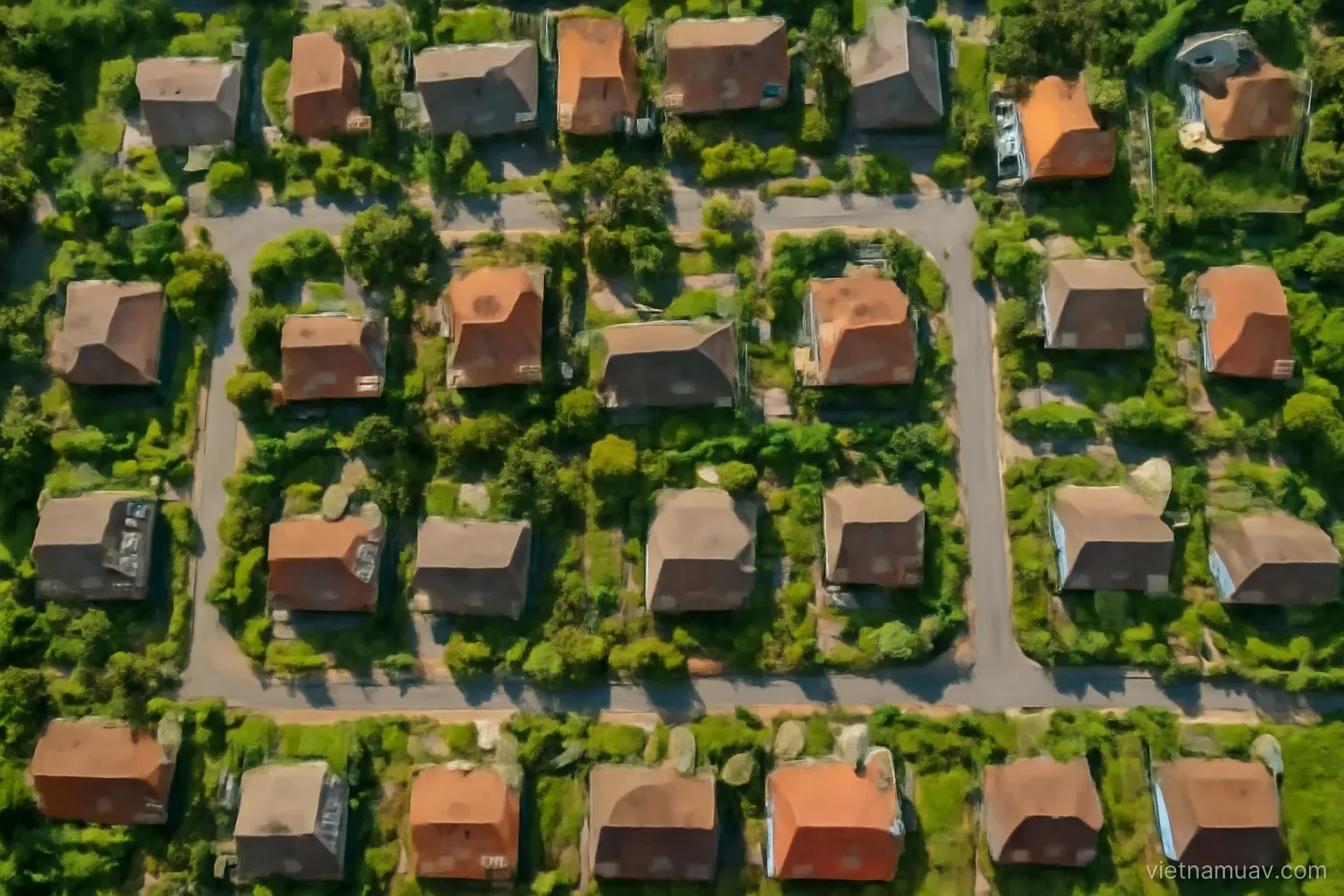
An aircraft passing over someone's yard is a daily occurrence in this work, and it touches legal, ethical and community questions at once. How it is handled shapes how the whole profession is received.
Legal considerations
Rights over personal image. Using an individual's image generally requires their consent, subject to exceptions defined in law.
Rights to private life. Protected. Recording into someone's private space can infringe them.
Commercial and state confidentiality. Photographing production facilities or areas subject to security rules.
Capturing and publishing are distinct. Legally separate acts, with publication carrying the tighter requirements.
Public space differs from private space. Filming in a public area is not the same as recording inside a private compound.
Provisions sit across several instruments. And they change. For projects carrying real exposure, take proper legal advice.
The practical principle. If you are unsure whether capture or publication is permitted, obtain consent or do not do it.
Third parties in commissioned work. A client can authorise flight over their own land but cannot authorise recording of neighbouring property or people outside it. That distinction is frequently blurred in practice and it should not be.
Contracts should address it. Ownership, permitted use, publication rights and retention period.
Conduct on site
Tell people beforehand. Residents in the area. Simple, and it prevents most conflict.
Explain the purpose. People react because they do not know what you are doing. Once they know, most do not object.
Let them look. Showing a curious onlooker the screen is remarkably effective at converting suspicion into interest.
Carry documentation. Permission, letter of introduction, contract. Produce it when asked.
Stay calm if challenged. Do not argue. Listen, explain, and stop flying in that area if necessary.
Do not press on. An angry resident may throw something or seize the equipment. The conflict is not worth it.
Contact local authorities in advance. For multi-day projects. They inform residents and you have institutional backing.
Have an answer ready. A short, honest explanation prepared in advance works far better than improvising while someone is already annoyed.
Look identifiable. Branded clothing, an identity card. Looking professional substantially reduces suspicion.
Designing flights to reduce exposure
Fly higher over housing. Less detail resolved and less intrusive in appearance.
Camera orientation. Straight down for survey rather than obliquely into windows.
Avoid hovering over one spot. It reads as surveillance.
Avoid sensitive hours. Early morning and evening, when people are at home and may be in private circumstances.
Route around dwellings. Where an alternative exists.
Reduce noise. Fly higher and avoid abrupt acceleration. Noise generates as many complaints as filming does.
Keep flights short. Prepare properly so repeated sorties are unnecessary.
Log the flight path. So you can demonstrate where you actually flew if a complaint arises.
Handling the data
Keep only what is needed. Delete material irrelevant to the purpose of the work.
Store securely. Not on an unprotected shared drive.
Blur faces and plates. Before delivery or publication where they are identifiable.
Think before publishing. An attractive image can reveal information about someone's property, assets or routine.
Agree terms with the client. Ownership, permitted use, publication rights, retention.
Put it in the contract. An unaddressed clause becomes a dispute later.
Handle deletion requests seriously. If someone asks for their imagery to be removed, engage with it in good faith.
Be careful with cloud storage. Uploading client imagery to a personal account puts it somewhere you did not agree to and may not control. Use accounts and services that match what the contract says.
Delete on schedule. Data no longer needed should not be kept. Retention costs storage and increases exposure.
Responsibility to the profession
One operator's behaviour affects everyone. A harassment case in the news changes how the whole community is viewed.
Restrictions follow incidents. Most limitations in this field were introduced after something went wrong.
Hold a higher standard than the rules require. Do the right thing before regulation compels it.
Speak up constructively. When you see someone flying inappropriately.
Educate the public. Explaining what this work involves reduces prejudice.
Never accept covert filming work. This does not need debate. Serious operators decline it.
Refuse problematic jobs. A client asking you to film into a neighbour's property is declined, whatever the fee.
Trust is built slowly and lost quickly. The profession is still young in many places, and the community's impression of it is being formed right now.
Frequently asked questions
Are capturing and publishing imagery legally the same?
No, they are distinct acts, and publication carries the tighter requirements. Using an individual's image generally requires consent subject to exceptions in law.
What is the most effective way to prevent conflict on site?
Telling residents beforehand and explaining the purpose. People react because they do not know what you are doing, and once they know most do not object.
What generates as many complaints as filming does?
Noise. Flying higher, avoiding abrupt acceleration and not hovering over one spot all reduce it substantially.
Which contract clause is most often missing?
Data terms — ownership, permitted use, publication rights and retention period. An unaddressed clause reliably becomes a dispute later.
More in Agricultural UAV and Survey and mapping.